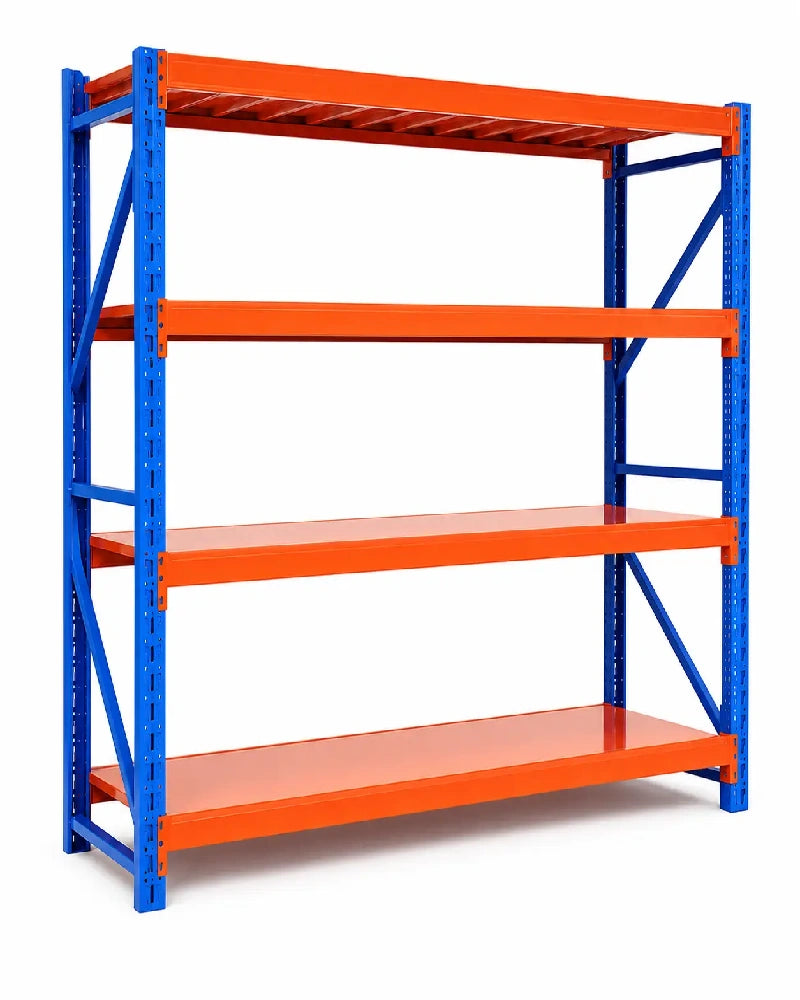


A garage is one of the most valuable storage areas in an American home, but without proper organization, it can quickly become crowded and difficult to use. Installing garage shelving is one of the most effective ways to create more usable space, keep belongings accessible, and protect items from damage.
However, garage shelving installation is not only about putting shelves together. Safety depends on choosing the right shelving system, understanding weight distribution, preparing the installation area, and following proper assembly practices.
Whether you are organizing tools, seasonal decorations, sports equipment, storage bins, or household supplies, learning how to install garage shelving correctly can help you build a safer and more functional garage storage solution.
This guide covers everything homeowners need to know before, during, and after installation.
Why Proper Garage Shelving Installation Matters
Many garage storage problems happen because shelves are installed without considering stability, load capacity, or the environment where they will be used.
A properly installed shelving system can help:
- Maximize vertical storage space
- Keep heavy items safely organized
- Reduce clutter on garage floors
- Improve access to frequently used belongings
- Create a cleaner and more efficient workspace
On the other hand, poorly installed shelves may become unstable, difficult to access, or unable to handle the intended storage load.
Before installation begins, it is important to understand that every garage is different. Floor conditions, available wall space, ceiling height, and storage needs all influence the best shelving choice.
Step 1: Choose the Right Garage Shelving System

Before learning how to install garage shelving, selecting the right type of shelving is the first step.
Different garage storage needs require different shelving designs.
Freestanding Garage Shelving
Freestanding shelving units are popular among homeowners because they are flexible and easy to reposition.
They are a good choice for:
- Storage bins
- Cleaning supplies
- Gardening equipment
- Automotive products
- Household overflow items
Because they stand independently, placement flexibility is one of their biggest advantages.
When selecting a freestanding unit, consider:
- Available floor space
- Shelf dimensions
- Number of storage levels
- Material durability
- Stability features
Wall-Mounted Garage Shelving
Wall-mounted shelving attaches directly to garage walls and helps keep the floor area open.
This option works well for smaller garages where maximizing floor space is important.
Before installation, check:
- Wall construction
- Mounting location
- Hardware compatibility
- Intended storage weight
Not every wall is designed for the same type of attachment, so understanding your garage structure is essential.
Heavy-Duty Metal Garage Shelving
Metal shelving is commonly chosen for garages because it provides a durable storage solution for heavier household items.
It is often used for:
- Large storage containers
- Power tools
- Workshop supplies
- Bulk household purchases
When comparing shelving options, look beyond appearance. A safe storage system depends on construction quality, assembly design, and correct installation.
Step 2: Measure Your Garage Storage Area

Accurate measurements are one of the most important parts of installing garage shelving safely.
Before purchasing or assembling shelves, measure:
Available Width
Measure the wall or floor area where the shelving will be placed.
Consider:
- Vehicle parking space
- Door clearance
- Walking pathways
- Nearby equipment
A shelf that fits on paper may become inconvenient if it blocks access or reduces usable garage space.
Available Height
Vertical space is often overlooked.
Measure from the floor to the ceiling and consider:
- Shelf height
- Storage container sizes
- Items you frequently remove
- Clearance above vehicles or work areas
Using vertical space efficiently can significantly increase garage storage capacity.
Shelf Depth
The right shelf depth depends on what you plan to store.
For example:
- Small bins require less depth
- Large containers need deeper shelves
- Tools may need accessible front-facing storage
Avoid choosing shelves that are deeper than necessary, as excessive depth can make items harder to reach.
Step 3: Prepare Your Garage Before Installation
Preparation helps prevent installation problems and improves safety.
Before assembling your shelving:
Clean the Installation Area
Remove:
- Old storage items
- Floor debris
- Unused equipment
- Obstacles around the workspace
A clean area makes assembly easier and reduces the chance of accidents.
Check the Floor Condition
For freestanding shelves, the floor should provide a stable base.
Look for:
- Uneven surfaces
- Cracks
- Moisture problems
- Sloped areas
An unstable foundation can affect shelf balance and overall performance.
Organize Your Storage Plan
Do not install shelves without knowing what you plan to store.
Create categories such as:
- Frequently used items at easy-to-reach levels
- Heavy items on lower shelves
- Seasonal items higher up
- Lightweight supplies on upper shelves
A storage plan improves both safety and convenience.
Step 4: Assemble Garage Shelving Correctly

Proper assembly is critical when you install garage shelving.
Always follow the manufacturer’s assembly instructions for the specific shelving system.
General installation practices include:
Inspect All Components
Before assembly, check that all required parts are available.
Look for:
- Frames
- Shelves
- Connectors
- Supports
- Fasteners
Missing or incorrectly installed parts can affect stability.
Build on a Level Surface
Assembly should be completed on a flat surface whenever possible.
A level setup helps ensure:
- Proper alignment
- Even weight distribution
- Better shelf stability
Avoid forcing parts together because misalignment can create long-term problems.
Tighten Connections Properly
Loose connections can cause movement over time.
During assembly:
- Secure all connections according to instructions
- Check alignment between sections
- Avoid over-tightening components that are not designed for excessive force
After assembly, gently check the structure before adding storage items.
Step 5: Load Garage Shelving Safely After Installation

Installing the shelving unit is only the first part of creating a safe garage storage system. How you organize and load the shelves is equally important.
A properly assembled shelf can still become unsafe if items are stored incorrectly.
Place Heavy Items on Lower Shelves
One of the simplest garage shelving safety rules is keeping heavier items closer to the floor.
Lower shelves are usually better for:
- Toolboxes
- Large storage containers
- Automotive supplies
- Heavy equipment
Placing heavy items higher increases the center of gravity and may make the shelving system less stable.
Distribute Weight Evenly
Avoid placing most of the stored weight on one side or one section of the shelving unit.
Good storage practices include:
- Spreading items across the shelf surface
- Avoiding concentrated heavy loads
- Keeping similar items grouped together
Balanced loading helps reduce unnecessary stress on the shelving structure.
Avoid Overloading Shelves
Every shelving system has design limits. Before storing heavy items, review the product information provided by the manufacturer.
Avoid assumptions based only on appearance. A shelf that looks strong may not be designed for certain materials or storage conditions.
For safer garage organization:
- Store heavier items according to recommended limits
- Use appropriate containers
- Remove damaged or unnecessary items regularly
Step 6: Improve Garage Shelving Safety
Beyond installation and loading, several additional steps can make your garage storage area safer and easier to use.

Keep Frequently Used Items Accessible
Items you use regularly should be stored where they are easy to reach.
Examples include:
- Cleaning products
- Hand tools
- Outdoor equipment
- Everyday household supplies
Avoid placing frequently used items on high shelves where reaching them may require unsafe climbing or stretching.
Use Storage Bins for Small Items
Small items can quickly create clutter on open shelving.
Storage bins help:
- Keep items organized
- Prevent items from falling
- Make seasonal storage easier
- Improve overall garage appearance
Labeling bins can also make finding stored items faster, although the shelving itself should remain organized and easy to access.
Leave Enough Walking Space
A well-designed garage storage system should improve usability, not create obstacles.
Maintain enough space for:
- Walking paths
- Vehicle doors
- Equipment movement
- Routine maintenance
Before finalizing shelf placement, test the area by moving around the garage as you normally would.
Common Garage Shelving Installation Mistakes to Avoid

Many garage storage problems are caused by simple installation mistakes.
Avoid these common issues:
Choosing the Wrong Shelf Size
A shelf that is too large may reduce usable garage space.
A shelf that is too small may not solve your storage needs.
Before buying shelving, consider:
- Current storage items
- Future storage needs
- Available installation space
Planning ahead prevents replacing shelving later.
Ignoring Wall or Floor Conditions
Installing shelves without considering the installation surface can create problems.
For wall-mounted shelving, understand your wall structure before selecting mounting methods.
For freestanding shelving, confirm the floor provides a stable foundation.
Storing Items Without Organization
Randomly placing items on shelves can quickly recreate garage clutter.
A better approach is creating zones:
Workshop Zone
Store:
- Tools
- Hardware
- Repair supplies
Seasonal Storage Zone
Store:
- Holiday decorations
- Camping equipment
- Seasonal household items
Household Supply Zone
Store:
- Paper products
- Cleaning supplies
- Extra home essentials
A planned system makes your garage easier to maintain.
How to Maintain Garage Shelving Over Time
Regular maintenance helps keep your storage system safe and functional.
Inspect Shelves Periodically
Every few months, check for:
- Loose connections
- Damaged components
- Signs of instability
- Excessive clutter
Small issues are easier to correct before they become larger problems.
Keep Shelves Clean and Dry
Garages often experience temperature changes, dust, and moisture.
To protect your storage system:
- Remove dust regularly
- Avoid storing wet items directly on shelves
- Check areas near doors and windows for moisture exposure
Adjust Storage as Your Needs Change
A garage storage system should adapt to your lifestyle.
Review your stored items periodically and:
- Remove unused belongings
- Reorganize seasonal products
- Move frequently used items to convenient locations
A flexible organization system stays useful for years.
Choosing Garage Shelving for Long-Term Storage Success
The best garage shelving solution depends on your available space, storage goals, and the type of items you need to organize.
Before purchasing, consider:
Storage Purpose
Ask:
- What items will be stored?
- How often will they be used?
- Are they lightweight or heavy?
Garage Layout
Think about:
- Wall space
- Floor space
- Ceiling height
- Vehicle clearance
Installation Requirements
Consider whether you prefer:
- A flexible freestanding system
- A space-saving wall-mounted solution
- A heavy-duty storage setup
The right choice makes installation easier and creates a safer garage environment.
For homeowners exploring additional garage organization ideas, see our related guide on [How Much Weight Can Garage Shelves Hold?](internal link: /blog/how-much-weight-can-garage-shelves-hold) to better understand storage planning before installation.
Final Thoughts: Build a Safer and More Organized Garage
Learning how to install garage shelving safely helps homeowners transform unused garage space into a practical storage area.
The key steps are simple:
- Choose the right shelving system
- Measure carefully
- Prepare the installation area
- Assemble correctly
- Load shelves responsibly
- Maintain the system regularly
A safe garage shelving setup is not only about adding storage space. It is about creating a more organized home where tools, supplies, and belongings are easier to access and better protected.
With thoughtful planning and proper installation practices, your garage can become a cleaner, safer, and more efficient part of your home.
Frequently Asked Questions (FAQ)
1. Can I install garage shelving by myself?
Many garage shelving systems are designed for homeowner assembly. However, the difficulty depends on the shelving type, size, and installation method. Larger shelving units may require additional help during assembly and positioning.
2. What should I check before installing garage shelving?
Before installation, measure your available space, check the floor condition, review storage needs, and make sure the shelving system matches the items you plan to store.
3. Where should heavy items go on garage shelves?
Heavy items should generally be placed on lower shelves to improve stability and make lifting safer.
4. How do I make garage shelving more stable?
Stability depends on proper assembly, correct placement, balanced loading, and following the manufacturer’s installation instructions.
5. Should garage shelves be attached to the wall?
Some shelving systems may benefit from additional stabilization, while others are designed as freestanding units. Always follow the specific product installation instructions.
6. How often should garage shelves be inspected?
A periodic inspection every few months is a practical approach. Check for loose parts, damage, shifting, or excessive loads.
7. What is the best shelf depth for a garage?
The ideal depth depends on what you store. Measure your containers and equipment first to choose shelving that provides enough space without reducing accessibility
Need help choosing?
Find the right storage solution for your space.
Tell us about your room, workspace, quantity, or project requirements and our team will help you compare suitable options.