

Guides
Wall Mounted vs Freestanding Shelves: Which Storage Solution Is Right for Your Home?

Choosing the right shelving system can completely change how a room feels and functions. Whether you are organizing a crowded garage, creating more pantry space, improving basement storage, or setting up a home workshop, the type of shelving you choose affects accessibility, available floor space, and long-term convenience.
Two of the most common options for residential storage are wall mounted shelving and freestanding shelves. Both can provide practical organization, but they work best in different situations.
Wall mounted shelves attach directly to a wall, helping homeowners maximize vertical space while keeping floors open. Freestanding shelves, on the other hand, are independent storage units that can be moved, adjusted, and rearranged as needs change.
So which option is better?
The answer depends on your room layout, storage goals, installation preferences, and the types of items you need to organize.
This guide compares wall mounted shelving and freestanding shelves to help you make a confident choice for your home.
Wall Mounted Shelving vs Freestanding Shelves: Understanding the Difference
Before comparing the advantages and disadvantages, it helps to understand how these two shelving styles work.
What Is Wall Mounted Shelving?
Wall mounted shelving is installed directly onto a wall using brackets, rails, or mounting hardware. Instead of standing on the floor, the shelves use the wall structure for support.
This design makes them especially useful in areas where floor space is limited.
Common locations for wall mounted shelving include:
● Garages
● Laundry rooms
● Kitchens
● Home offices
● Closets
● Basements
● Utility rooms
Because the shelves are elevated, they can create additional storage without taking up valuable walking space.
For homeowners trying to improve organization in smaller rooms or maximize garage efficiency, wall mounted shelving is often an attractive solution.
What Are Freestanding Shelves?
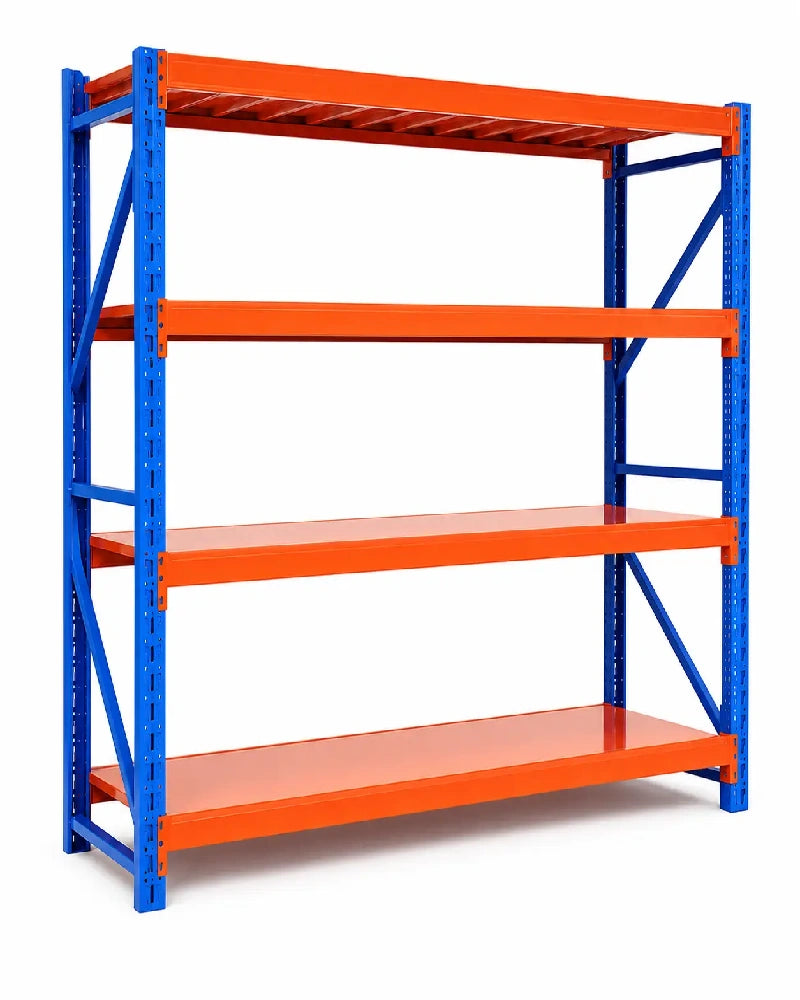
Freestanding shelves are independent storage units that stand on the floor. They typically include vertical supports and multiple shelf levels designed for storing household items, tools, boxes, equipment, or supplies.
They are commonly used in:
● Garages
● Storage rooms
● Workshops
● Warehouses
● Basements
● Pantries
The biggest advantage of freestanding shelving is flexibility. Since the unit does not rely on wall installation, it can usually be moved or repositioned when storage needs change.
Wall Mounted Shelving vs Freestanding Shelves: Key Differences
Understanding the main differences can help homeowners determine which option fits their space.
|
Feature |
Wall Mounted Shelving |
Freestanding Shelves |
|
Installation |
Requires wall attachment |
Simple placement on floor |
|
Floor Space |
Saves floor area |
Requires available floor space |
|
Mobility |
Usually fixed position |
Easy to move |
|
Storage Flexibility |
Best for vertical organization |
Best for larger storage capacity |
|
Room Appearance |
Creates a clean, open look |
Provides traditional storage layout |
|
Installation Skill |
Requires careful mounting |
Usually easier to assemble |
|
Best For |
Small spaces and organized storage |
Flexible storage and larger items |
Neither option is universally better. The right choice depends on how you use your space.
Advantages of Wall Mounted Shelving
1. Maximizes Vertical Storage Space
One of the biggest benefits of wall mounted shelving is its ability to use unused wall space.
Many homes have valuable vertical areas that remain empty. Installing shelves higher on the wall can create additional storage without reducing usable floor area.
This is especially helpful in:
● Narrow garages
● Small laundry rooms
● Apartment storage areas
● Compact workshops
For example, a garage wall that previously held only tools or empty space can become an organized storage zone for bins, seasonal items, and household supplies.
2. Keeps Floors Clear and Easier to Clean
Floor space is often limited in garages, basements, and utility rooms.
Because wall mounted shelving does not sit directly on the floor, it can make cleaning easier and improve the overall appearance of the room.
Benefits include:
● Less clutter on the floor
● Easier sweeping and vacuuming
● Reduced obstacles in walking areas
● A more organized appearance
For busy family homes, keeping storage off the ground can make everyday maintenance simpler.
3. Creates a More Customized Storage Layout
Wall mounted shelving can often be arranged based on the available wall area and storage needs.
Homeowners can design storage zones for specific purposes, such as:
● A gardening supply area
● A tool organization wall
● A pantry storage section
● A craft and hobby station
This makes wall mounted shelving a popular choice for people who want a more intentional organization system.
4. Provides a Cleaner Modern Look
Many homeowners prefer wall mounted shelving because it creates an open and streamlined appearance.
Unlike bulky storage units that occupy floor space, mounted shelves can make a room feel larger and less crowded.
This is particularly useful in:
● Modern kitchens
● Minimalist home offices
● Laundry rooms
● Finished basements
A well-planned wall storage system can combine functionality with interior design.
Limitations of Wall Mounted Shelving
Although wall mounted shelving offers many advantages, it is not the perfect choice for every situation.
1. Installation Requires Proper Planning
The most important factor with wall mounted shelving is correct installation.
Homeowners need to consider:
● Wall material
● Mounting location
● Proper hardware selection
● Shelf placement
● Accessibility
A poorly installed shelf may not provide the stability needed for stored items.
Before installation, always evaluate the wall structure and follow the manufacturer’s installation instructions.
2. Less Flexible After Installation
Unlike freestanding shelves, wall mounted shelving is not designed to be frequently moved.
Once installed, changing the layout may require:
● Removing hardware
● Repairing wall surfaces
● Repositioning shelves
For renters or homeowners who frequently redesign spaces, freestanding shelves may provide more flexibility.
3. May Not Suit Extremely Heavy Storage Needs
Wall mounted shelving can be excellent for many household storage applications, but very heavy items require careful consideration.
Large equipment, dense materials, or oversized containers may be better suited for floor-supported shelving systems depending on the design and installation conditions.
Always consider the shelf design, mounting method, and intended load before storing heavy items.
Advantages of Freestanding Shelves
While wall mounted shelving is excellent for saving space, freestanding shelves remain one of the most versatile storage solutions for American homes.
Their simple setup, mobility, and wide range of applications make them a practical choice for homeowners who need adaptable organization.
 1. Easy Installation and Immediate Use
One of the biggest advantages of freestanding shelves is their straightforward setup.
Unlike wall mounted shelving, freestanding units usually do not require drilling into walls or determining mounting locations. This makes them appealing for homeowners who want a faster storage upgrade.
Freestanding shelves are especially useful when you need to:
● Organize a garage quickly
● Create temporary storage
● Rearrange a room frequently
● Add storage without modifying walls
For DIY homeowners, this flexibility can make the organization process much simpler.
2. More Flexible for Changing Storage Needs
Storage requirements often change over time.
A garage that stores holiday decorations today may become a workshop area later. A basement storage room may eventually become a hobby space or home gym.
Freestanding shelves make it easier to adapt because they can usually be:
● Relocated
● Rearranged
● Expanded with additional units
● Adjusted for different storage purposes
This flexibility is especially valuable for families whose storage needs continue to evolve.
3. Suitable for Larger Storage Areas
Freestanding shelving works well in rooms where floor space is available.
Examples include:
● Large garages
● Storage rooms
● Workshops
● Utility areas
Because these shelves stand independently, they can create complete storage zones without relying on wall placement.
For homeowners with a spacious garage or basement, freestanding shelves can provide an efficient way to organize large quantities of household items.
4. Easier Access From Multiple Sides
Many freestanding shelving units allow access from different directions, depending on the design and placement.
This can be useful for:
● Shared storage spaces
● Workshop environments
● Frequently accessed supplies
● Bulk household storage
When items need to be reached quickly, a freestanding layout may offer more convenience.
Limitations of Freestanding Shelves
Although freestanding shelves provide excellent flexibility, they also have some disadvantages.
1. They Use Valuable Floor Space
The biggest limitation of freestanding shelving is that it occupies floor area.
In smaller rooms, this can create challenges by reducing:
● Walking space
● Parking space in garages
● Available workspace
● Room openness
Before purchasing a freestanding shelving unit, measure the available area carefully.
Consider not only the shelf footprint but also enough space to comfortably access stored items.
2. They May Require More Room Organization
Because freestanding shelves take up physical space, placement becomes an important part of room planning.
A poorly positioned shelving unit can make a room feel crowded.
Good placement strategies include:
● Keeping walking paths clear
● Positioning shelves along unused walls
● Grouping similar storage items together
● Leaving access space around frequently used items
3. They May Need Additional Stability Considerations
Freestanding shelving should always be assembled correctly and placed on a suitable surface.
Homeowners should consider:
● Level flooring
● Proper assembly
● Balanced item placement
● Safe storage practices
For households with children or pets, thoughtful placement and organization are especially important.
Wall Mounted Shelving vs Freestanding Shelves: Which Is Better for Different Rooms?
The best shelving option often depends on where it will be installed.
Garage Storage
Garages are one of the most common areas where homeowners compare wall mounted shelving and freestanding shelves.
Wall Mounted Shelving Works Well For:
● Hand tools
● Small storage bins
● Cleaning supplies
● Gardening accessories
● Items used regularly
Wall mounted shelving helps keep garage floors open for vehicles, projects, and movement.
Freestanding Shelves Work Well For:
● Large storage containers
● Automotive supplies
● Seasonal decorations
● Bulk household items
For larger garages, combining both systems can create an efficient storage layout.
Kitchen and Pantry Organization
In kitchens and pantries, space efficiency is often the main priority.
Wall mounted shelving can help create additional storage areas for:
● Cookware
● Small appliances
● Pantry containers
● Decorative items
It works especially well where floor space is limited.
Freestanding shelving may be better for larger pantry rooms where homeowners need flexible storage capacity.
Basement Storage
Basements often require storage systems that can handle changing household needs.
Freestanding shelves are popular because they can store:
● Storage boxes
● Seasonal items
● Household supplies
Wall mounted shelving can also be useful for keeping frequently accessed items organized while leaving floor areas open.
Home Office and Utility Rooms
For smaller functional spaces, wall mounted shelving often provides a cleaner solution.
It can help organize:
● Office supplies
● Books
● Craft materials
● Laundry products
Because it uses vertical space, it allows homeowners to maintain a more open workspace.
How to Choose the Right Shelving Solution
Choosing between wall mounted shelving and freestanding shelves requires looking at several practical factors.
1. Consider Your Available Space
Start by measuring the room.
Important measurements include:
● Wall width
● Ceiling height
● Available floor area
● Door and window locations
● Walking clearance
A shelving system should improve organization without making the room difficult to use.
2. Think About What You Need to Store
Different items require different storage approaches.
Ask yourself:
● Are the items lightweight or bulky?
● Will you access them daily or seasonally?
● Do you need adjustable storage?
● Do you expect your needs to change?
Frequently used household items may benefit from easy-access wall storage, while large storage containers may work better on freestanding shelves.
3. Evaluate Installation Requirements
Before choosing wall mounted shelving, consider:
● The wall surface
● Installation location
● Required tools
● Your comfort level with DIY projects
If you prefer a solution that requires minimal installation planning, freestanding shelves may be more suitable.
4. Plan for Future Storage Needs
A good storage system should work not only today but also in the future.
Think about upcoming changes:
● Growing household storage needs
● New hobbies
● Seasonal equipment
● Home improvement projects
Choosing a flexible shelving system can prevent needing to reorganize everything later.
Practical Size Planning Tips for Home Shelving
Selecting the right shelf size is just as important as choosing the right type.
Measure Before Buying
Always measure your available space before selecting shelving.
Record:
● Total wall width
● Shelf depth needed
● Ceiling height
● Item dimensions
Avoid choosing shelves based only on appearance. A shelf that looks ideal online may not fit your actual room layout.
Choose Shelf Depth Based on Stored Items
Different items require different shelf depths.
Examples:
● Small household items need less depth
● Storage bins require more space
● Tools and equipment need accessible placement
The goal is to avoid wasted space while ensuring items fit comfortably.
Keep Frequently Used Items Accessible
A common organization mistake is placing everyday items in difficult-to-reach locations.
A practical storage plan usually places:
● Daily-use items at comfortable height
● Seasonal items higher or farther away
● Heavy items lower for easier handling
Installation Tips for Wall Mounted Shelving
Proper installation plays an important role in creating a safe and functional storage area.
Check the Installation Surface
Before installing wall mounted shelving:
● Understand your wall type
● Identify appropriate mounting locations
● Use suitable installation hardware
● Follow the shelf manufacturer’s instructions
Different wall materials may require different approaches.
Keep Shelves Level
A level installation improves both appearance and usability.
Uneven shelves can:
● Affect item placement
● Create an unstable appearance
● Reduce storage efficiency
Take time during installation to check alignment.
Avoid Overloading Shelves
Every shelving system has limits based on its design and installation method.
Good storage practices include:
● Distributing weight evenly
● Avoiding excessive loads
● Keeping heavy items properly positioned
● Inspecting shelves periodically
Maintenance Tips for Long-Term Shelf Performance
Whether you choose wall mounted shelving or freestanding shelves, regular maintenance helps keep storage areas organized and functional.
Clean Shelves Regularly
Dust and debris can accumulate over time, especially in garages and basements.
A simple cleaning routine helps:
● Protect stored items
● Maintain appearance
● Identify potential issues early
Inspect Connections and Structure
Periodically check:
● Mounting points
● Shelf alignment
● Supports
● Overall condition
If anything appears loose or damaged, address it before continuing to store items.
Keep Storage Organized
A well-organized shelf system is easier to maintain.
Helpful habits include:
● Grouping similar items
● Labeling storage containers
● Removing unused items
● Keeping frequently used items accessible
Frequently Asked Questions About Wall Mounted Shelving
1. Is wall mounted shelving better than freestanding shelves?
Neither option is universally better. Wall mounted shelving is ideal for saving floor space and creating organized vertical storage, while freestanding shelves provide more flexibility and easier relocation.
The best choice depends on your room size, storage needs, and installation preferences.
2. Is wall mounted shelving good for garages?
Yes, wall mounted shelving can be a practical garage storage solution because it uses vertical space and helps keep floors clear. It is especially useful for organizing tools, supplies, and smaller storage items.
3. Are freestanding shelves easier to install?
Generally, freestanding shelves require less installation planning because they do not need wall attachment. They can often be assembled and placed directly where storage is needed.
4. How high should wall mounted shelves be installed?
The ideal height depends on what you plan to store and how often you need access. Frequently used items should be placed within comfortable reach, while seasonal or rarely used items can be stored higher.
5. Can wall mounted shelves be installed in any room?
Wall mounted shelving can be used in many areas, including garages, kitchens, offices, and utility rooms. However, the installation approach depends on the wall structure and intended use.
6. Should I choose wall mounted shelving or freestanding shelves for a small room?
For small rooms, wall mounted shelving is often a strong option because it uses vertical space without occupying floor area. However, freestanding shelves may work better if you need movable storage.
7. Can I combine wall mounted and freestanding shelves?
Yes. Many homeowners use both systems together. Wall mounted shelving can handle vertical organization, while freestanding shelves can provide additional storage capacity for larger items.
Need help choosing?
Find the right storage solution for your space.
Tell us about your room, workspace, quantity, or project requirements and our team will help you compare suitable options.