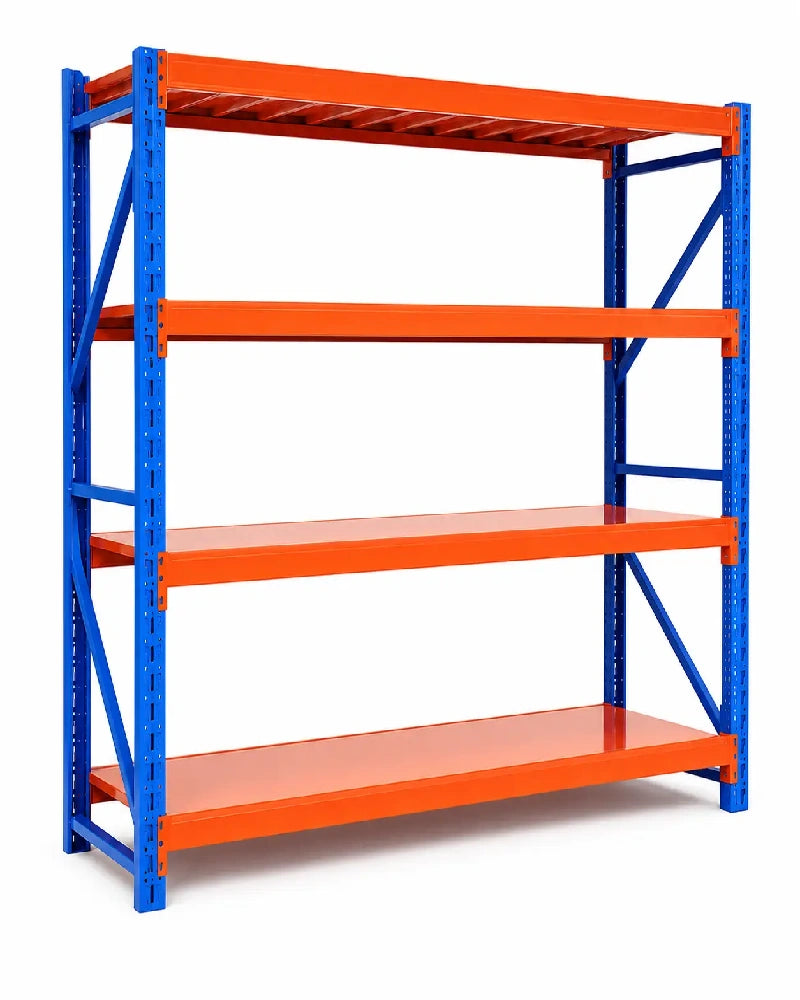


Garage storage in coastal Australia needs more than a tidy layout. Salt carried through the air, humid conditions, condensation and wet gear can leave moisture and residue on shelves, fixings, tools and storage containers. The practical response is not to assume that every metal shelf is “coastal proof”, but to choose equipment for the actual environment, keep it dry and ventilated, and inspect it often enough to catch changes early.
This guide explains how to plan a coastal garage storage system without relying on unsupported coating, corrosion or lifespan claims. Product instructions and the manufacturer’s written suitability information should always take priority.
Why coastal garage storage needs a different plan
A garage can be sheltered from direct rain and still receive salt-bearing air. Open doors, prevailing winds, vehicles, surf gear and damp equipment can all bring moisture and residue indoors. A garage beside the coast may also experience large changes in temperature between day and night, which can encourage condensation on cool surfaces.
These conditions do not affect every home equally. Distance from the shoreline is only one factor. Wind direction, surrounding buildings, vegetation, whether the garage door is regularly open, and how quickly wet equipment dries can all change the exposure inside a garage.
That is why a useful coastal storage plan begins with the room, not with a generic promise about a finish.
Start with an exposure check
Before choosing or rearranging shelving, walk through the garage after different weather conditions. Look for practical signs of moisture and salt exposure:
- water entering under or around the garage door;
- condensation on metal surfaces, windows or the underside of roofing;
- white or gritty residue near openings;
- wet towels, wetsuits, fishing gear, garden equipment or vehicle mats stored before drying;
- poor airflow behind large boxes or tightly packed shelves;
- existing rust, blistering, chips, discolouration or loose fasteners on stored equipment.
Record where these signs appear. A shelf positioned directly beside a frequently open door may face a different micro-environment from one on an internal wall. If water enters the garage, address the building or drainage issue rather than expecting shelving to compensate for it.
Choose shelving from written evidence
“Steel”, “powder-coated” and “heavy-duty” describe broad categories; they do not by themselves prove suitability for a particular coastal garage. Before buying, ask for the exact model’s material, finish, intended-use conditions and care instructions in writing. If corrosion resistance is important, ask what coating system or protective treatment is actually used and whether the manufacturer excludes coastal, damp or exterior environments.
Also separate corrosion suitability from load capacity. A finish may help protect a surface, but it does not establish how much weight a shelf can safely carry. Use only the model-specific rating and follow the stated load-distribution, assembly and anchoring instructions.
When comparing options, consider:
- whether the exact shelf is intended for a dry interior, damp interior or another stated environment;
- whether cut edges, holes, joints and fasteners receive suitable protection;
- whether replacement components and finish-repair instructions are available;
- whether the shelf layout allows cleaning and inspection around the frame;
- whether the shelf dimensions fit sealed tubs without trapping them tightly against walls.
Browse the current Garage Shelving collection as a starting point, then confirm the exact item’s specifications, availability and suitability before purchase.
Design the layout for airflow and cleaning
Coastal garage storage works better when moisture can escape and surfaces remain reachable. Avoid packing cartons hard against an external wall or filling every gap around a shelving frame. Leave enough working space to see the uprights, joints, feet and shelf edges during an inspection.
Use sealed, clearly identified tubs for items that should stay dry, but make sure the items themselves are dry before closing the lids. A sealed tub can keep external moisture out, yet it can also retain moisture that was packed inside. Cardboard boxes are less forgiving in areas that occasionally become damp and can hide moisture damage until the box is moved.
Keep frequently wet items in a separate drying zone rather than placing them straight onto general storage shelves. Drip trays or washable floor protection may help in a designated zone, provided they do not create a trip hazard or allow water to sit against shelving feet.
Reduce salt and moisture at the source
A simple routine can reduce the amount of residue reaching the shelving:
- Rinse and dry salt-exposed recreational or garden equipment before storage when its manufacturer permits it.
- Dry vehicle mats, towels and protective covers away from general stored goods.
- Ventilate the garage when outside conditions are suitable, while recognising that opening a door during strong onshore winds may bring in more salt-laden air.
- Deal promptly with roof, wall, door-seal or plumbing leaks.
- Remove visible deposits using the shelf manufacturer’s approved cleaning method.
Coating manufacturer guidance also supports regular residue removal. Dulux Powder Coatings notes that salt, dirt and grime can accumulate, and advises more frequent cleaning in coastal or polluted environments. Its method uses a wet sponge for loose deposits, a soft non-abrasive brush or cloth with mild detergent, followed by a clean-water rinse. This is useful general context, but it is not automatically the correct method for every shelf finish; check the exact product instructions first. See the Dulux Powder Coatings care guidance.
Build a practical inspection routine
Inspection frequency should reflect the actual exposure and the manufacturer’s instructions. Instead of relying on one universal interval, inspect after events likely to increase moisture or salt, such as severe coastal weather, a leak, flooding, or storing wet equipment.
During a routine check:
- remove enough containers to see shelf surfaces and frame connections;
- look for coating chips, scratches, bubbling, staining or visible corrosion;
- check feet and lower frame areas where moisture may remain;
- check that beams, shelves and fasteners remain correctly seated;
- look for movement, distortion or damage from vehicle contact;
- confirm stored items remain within the exact shelf’s instructions and rating;
- clean residue using only approved materials and allow surfaces to dry.
Photographs dated at each inspection can make gradual changes easier to notice. They can also help when asking the supplier or manufacturer for advice.
What to do when you find damage
Do not cover corrosion, a damaged joint or a distorted component with paint and assume the shelf is safe. First remove loads from the affected area if it can be done safely, prevent further moisture exposure, and follow the manufacturer’s inspection and repair process. Replacement may be more appropriate than a cosmetic repair where the condition of a structural component is uncertain.
Do not mix unverified replacement beams, shelves or fasteners from another system. Components that appear similar may connect or perform differently. For anchoring, structural questions or workplace storage, follow the product documentation and applicable local requirements, and obtain qualified advice where necessary.
A simple coastal garage storage checklist
- Map exposure: identify wet zones, door openings and condensation points.
- Verify the exact model: confirm material, finish, environment limits, load rating and care instructions.
- Create airflow: avoid trapping damp air behind packed boxes.
- Separate wet gear: dry it before placing it in sealed tubs or on general shelves.
- Keep access clear: make every joint, foot and shelf edge visible during checks.
- Clean correctly: remove deposits using the product manufacturer’s approved process.
- Document changes: photograph damage and seek advice before returning questionable components to service.
For more detail on finishes, read Powder-Coated Steel Shelves: Benefits, Limits and Care. For a broader maintenance routine, see the Garage Shelving Maintenance Guide.
Frequently asked questions
Is powder-coated steel shelving suitable for a coastal garage?
It may be suitable, but “powder-coated” alone is not enough evidence. Confirm the exact coating system, intended environment, exclusions and maintenance requirements with the shelf manufacturer or supplier.
How often should garage shelving be cleaned near the coast?
Use the exact product’s care instructions and adjust for visible residue, moisture and exposure. Coastal conditions can justify more frequent checks and cleaning than a dry inland garage, but there is no single interval that fits every product and location.
Can I store wet surf or fishing gear directly on steel shelves?
Dry equipment first where practical and follow its own care instructions. Keeping wet, salt-exposed items against a shelving surface can retain moisture and residue. Use a separate drying area that does not create a slip or trip hazard.
Will sealed plastic tubs solve coastal moisture problems?
They can protect contents from some external moisture, but they do not fix leaks, condensation or damp items packed inside. Dry contents before sealing and inspect the space around and beneath the tubs.
Should visible rust be painted over?
Not as an automatic fix. Visible corrosion may require unloading, assessment, preparation, repair or component replacement under the manufacturer’s instructions. Cosmetic paint can hide rather than resolve a problem.
Does coastal exposure reduce a shelf’s load capacity?
Do not calculate a new rating yourself. If corrosion, coating failure, distortion or connection damage is present, stop using the affected area as directed by the manufacturer and obtain appropriate advice. Only the exact product documentation should define its rated use.
Final takeaway
The best garage storage for a coastal Australian home combines verified product suitability with a dry, accessible layout and a repeatable inspection routine. Choose from written specifications, control moisture and salt where possible, and act early when a finish or component changes. That approach is more reliable than treating any material or coating description as a blanket coastal guarantee.
Need help choosing?
Find the right storage solution for your space.
Tell us about your room, workspace, quantity, or project requirements and our team will help you compare suitable options.