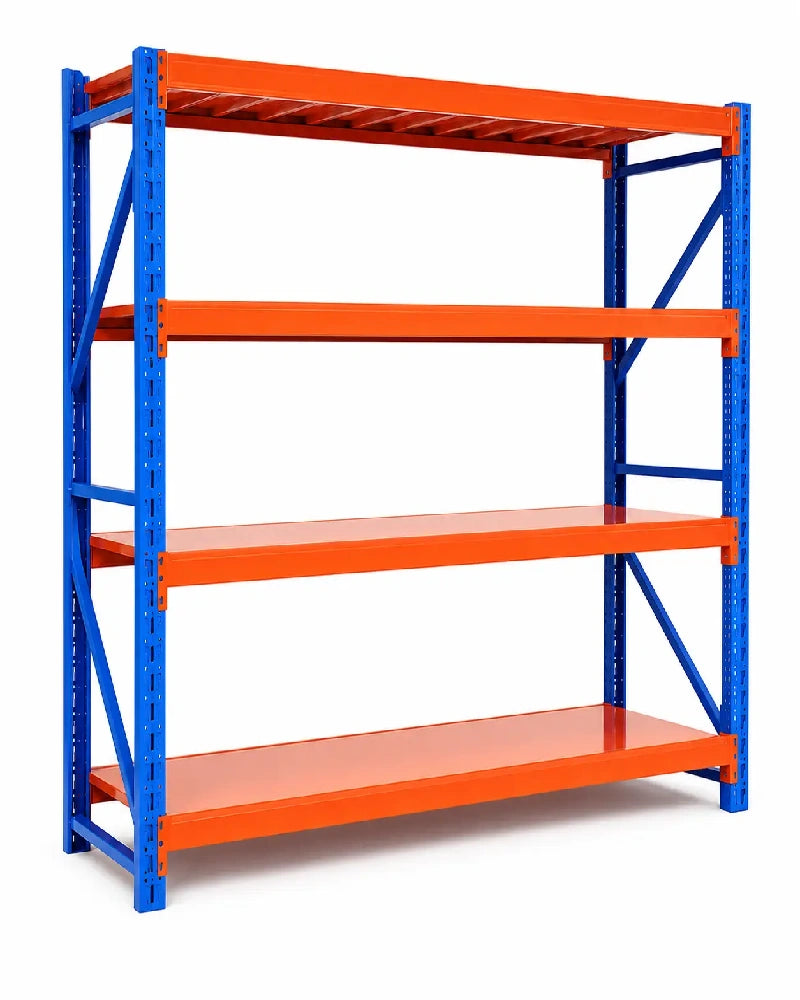


Garage storage for hot Australian summers works best when you separate durable items from anything that has temperature-sensitive storage instructions. Start by observing where heat and direct sun build up, move unsuitable items to a more controlled location, keep air paths clear, and arrange shelving so every container and component can be inspected. Do not assume that a closed garage, sealed tub or metal shelf protects its contents from heat.
This guide provides a practical zoning method without inventing a universal safe temperature. The product label, manufacturer’s instructions and applicable local guidance always take priority.
Why summer heat changes a garage storage plan
A garage can behave very differently from the rooms inside a home. Its temperature may change with roof and wall exposure, door colour, insulation, ventilation, shade, vehicles and the time the door was last opened. Conditions can also vary within the same garage: direct afternoon sun near the entrance may create a hotter zone than an internal wall.
That matters because storage suitability belongs to the item, not to the shelf. A strong, correctly assembled shelf may hold an item physically, but it cannot override that item’s temperature, moisture, ventilation or fire-safety instructions. The first job is therefore to understand the room and classify the contents before choosing shelf positions.
Map the garage during real summer conditions
Do not judge the garage only on a mild morning. On a warm day, check it at several times, including when the sun reaches the door or external walls. You are looking for patterns rather than one number.
- Note where direct sunlight reaches shelves, tubs and tool cases.
- Identify walls or ceiling areas that radiate noticeable heat.
- Check whether existing vents, windows or door gaps are blocked by boxes.
- Look for items stored beside hot appliances, motors or chargers.
- Record which parts of the garage remain shaded and accessible.
- Check whether a parked vehicle reduces airflow or makes an aisle difficult to use.
A simple indoor thermometer can help you compare zones, but do not turn a single reading into a made-up storage limit. Compare the measured conditions with the written requirements for each item. If the garage cannot stay within those requirements, relocate the item.
Sort the contents before arranging the shelves
Create three groups on paper before moving anything. This prevents a tidy-looking shelf from mixing incompatible storage needs.
1. Items that should move to a controlled location
Put an item in this group when its label or instructions require conditions the garage cannot reliably provide. Medicines, some household products, electronics, adhesives, coatings, batteries and other products can each have different requirements. Do not use the category name alone to decide; read the exact packaging and instructions.
Lithium-ion batteries deserve particular attention. The Australian Competition and Consumer Commission advises keeping lithium-ion batteries and battery-powered products in a cool, dry place, out of direct sunlight, and following the manufacturer’s instructions. It also warns against leaving them in hot places. See the current ACCC Product Safety lithium-ion battery guide.
If a battery is swollen, leaking, unusually hot, damaged or otherwise abnormal, do not treat shelving location as the solution. Stop using it and follow official and manufacturer guidance for safe handling and disposal.
2. Garage-suitable items that still need protection
This group may include durable tools, hardware and household equipment whose instructions allow garage storage. Keep them out of direct sun, dry before packing, and use containers that suit the contents. A closed tub can reduce dust, but it does not actively cool the contents, and it can trap heat or moisture already inside.
3. Frequently used, low-risk items
Place regularly used items where they can be reached without climbing, stretching over other objects or moving a vehicle. Keep the main walkway, internal door and garage door operating area clear. Summer organisation should make safe access easier, not simply fit more objects into the room.
Build four practical storage zones
Once the contents are classified, divide the garage by exposure and access.
- Relocation zone: a temporary staging point for items that need to move indoors or to another suitable location. Do not let this become permanent storage.
- Shaded shelf zone: garage-suitable contents kept away from direct sunlight and with visible space around containers and the shelf frame.
- Daily-access zone: frequently used items between comfortable knee and shoulder height, subject to the exact shelf instructions.
- Low storage zone: heavier garage-suitable items placed lower where the shelf’s model-specific rating and instructions permit, without storing directly in a wet or obstructed area.
Keep labels visible where practical. If you use opaque tubs, identify the contents on a removable external list rather than relying on memory. The organisation method should make it easy to recheck storage instructions when the season changes.
Use ventilation without creating new hazards
Ventilation is not a licence to improvise electrical, structural or fire-safety work. Begin with simple layout choices: do not block existing vents, do not pack cartons tightly against the roof or walls, and do not fill every gap around a freestanding shelf. Leave enough room to inspect uprights, beams, feet, cables and the wall behind the unit.
Open doors or windows only when it is safe and appropriate for the property. Consider security, weather, smoke, dust and bushfire conditions. If the garage needs a powered exhaust fan, new vent, electrical work or building modification, use a suitably qualified professional and follow local requirements.
A portable fan is not a substitute for correct hazardous-product storage. Do not aim airflow at spills, fumes or damaged batteries, and do not create trip hazards with extension leads.
Choose shelving for visibility and access
Heat management is mainly a contents-and-room decision, but shelving layout can support it. Choose dimensions that fit the available wall and containers without blocking airflow, doors, switches or access panels. Confirm the exact model’s load rating, assembly method, anchoring requirements, materials and intended environment before purchase.
Useful comparison questions include:
- Can tubs be removed without scraping the shelf above?
- Can you see and clean around the frame and feet?
- Will the shelf sit outside direct afternoon sun?
- Does the layout preserve a clear route to the house and garage door?
- Can heavy items remain low without exposure to water entering under the door?
- Do the exact product instructions allow the intended contents and location?
You can browse the current Garage Shelving collection as a starting point. Confirm the exact item’s specifications, availability, instructions and suitability for your garage before buying.
A 30-minute summer garage reset
- Clear the exit path. Remove objects from doorways, vehicle movement areas and walking routes.
- Find the hot spots. Mark direct-sun and high-heat zones based on observations made during a warm day.
- Read the labels. Pull out batteries and other temperature-sensitive products for an instruction-by-instruction check.
- Relocate unsuitable contents. Move anything whose stated conditions cannot be maintained in the garage.
- Re-zone the shelves. Put frequently used items within easy reach and heavier suitable items lower, following the shelf instructions.
- Restore air paths. Uncover existing vents and create inspection space around shelves and tubs.
- Photograph the finished layout. Use the image as a reference for the next seasonal check.
Inspect the setup through the season
Recheck the garage after a heatwave, a power or charging incident, a water leak, a layout change or the arrival of new stored products. Look for deformed containers, discolouration, odours, leaks, swelling, damaged cables, loose shelf components, blocked vents and objects creeping back into the walkway.
Do not handle a leaking, smoking, hissing or unusually hot battery as a normal storage item. Move people away, call emergency services where necessary, and follow current official safety guidance. For normal shelf care, follow the manufacturer’s cleaning and inspection process rather than applying an unverified coating or modification.
Common mistakes to avoid
- Assuming a sealed tub stays cool: it may still heat with the surrounding garage.
- Using the top shelf for every rarely used item: the top may be harder to inspect and closer to roof heat.
- Leaving chargers connected: follow the device and charger instructions and current fire-safety guidance.
- Blocking a vent with storage: reorganise the layout instead of treating the vent as unused wall space.
- Grouping products only by room: two garage products can have very different storage limits.
- Adding a fan as a universal fix: airflow cannot make unsuitable chemical, battery or medicine storage compliant.
For the wider shelf-selection process, read How to Choose the Right Shelf for Every Space. To plan dimensions and movement space before rearranging the room, use How to Measure Your Garage for Shelving. If heat is not the only exposure issue, the coastal garage storage guide covers moisture, salt and corrosion checks.
Frequently asked questions
What temperature is too hot for garage storage?
There is no universal limit for every stored item. Measure the conditions in your garage and compare them with the exact label or manufacturer’s instructions. If the garage cannot stay within the stated range, relocate the item.
Are sealed plastic tubs safe in a hot garage?
A tub can reduce dust and help organise suitable contents, but it does not actively control temperature. Check the tub manufacturer’s intended use and the storage requirements of everything inside it.
Can lithium-ion tool batteries stay on garage shelving?
Only when the location meets the manufacturer’s instructions and current safety guidance. ACCC Product Safety advises cool, dry storage away from direct sunlight and hot places. Damaged, swollen, leaking or overheating batteries require a different safety response, not a new shelf position.
Should I leave the garage door open for ventilation?
Only when doing so is safe and appropriate for security, weather, smoke and local conditions. Do not rely on an open door to make an unsuitable storage location acceptable.
Is the top shelf hotter than the lower shelves?
It can be in some garages, especially near a heat-exposed roof, but the pattern depends on the building and airflow. Observe or measure your own shelf zones instead of assuming every garage behaves the same way.
Can I store paint, aerosols or chemicals in the garage?
Check every product label and the manufacturer’s instructions, as requirements differ and some products create fire, pressure or exposure hazards. Follow local disposal guidance for unwanted products. Do not use this article as hazardous-storage advice.
How often should I review summer garage storage?
Use the item and shelf manufacturers’ inspection guidance, and recheck whenever conditions or contents change. A heatwave, damage, leak, new battery product or blocked vent is a practical trigger for an additional review.
Final takeaway
The most reliable hot-weather garage setup is not the one with the most tubs. It is the one that keeps unsuitable items out, preserves shaded and accessible zones, follows written product requirements, and makes seasonal inspection easy. Map the real conditions first, then use shelving to support a safer, clearer storage plan.
Need help choosing?
Find the right storage solution for your space.
Tell us about your room, workspace, quantity, or project requirements and our team will help you compare suitable options.